Houston Tree Evaluations
Practical Arborist-Focused Tree Care
Get a closer look at a tree concern. Book Now
Houston Tree Evaluations
Get a closer look at a tree concern. Book Now
Property owners often know that something looks different about a tree without knowing what the change means. The canopy may be thinning, leaves may look unusual, a limb may have split, mushrooms may appear near the base, or a tree may simply seem less vigorous than it did a few years ago. An evaluation helps organize those observations and decide whether pruning, monitoring, soil care, removal, or another response is reasonable.
At Tree Solutions Houston, our arborist-focused service is built around practical field evaluation and clear next steps. We look at visible tree condition, growing space, recent damage, major branch structure, root-zone conditions that can be observed, and the tree's relationship to the property. We do not invent certainty where a visual evaluation cannot provide it, and specialized testing may sometimes require an outside qualified professional.
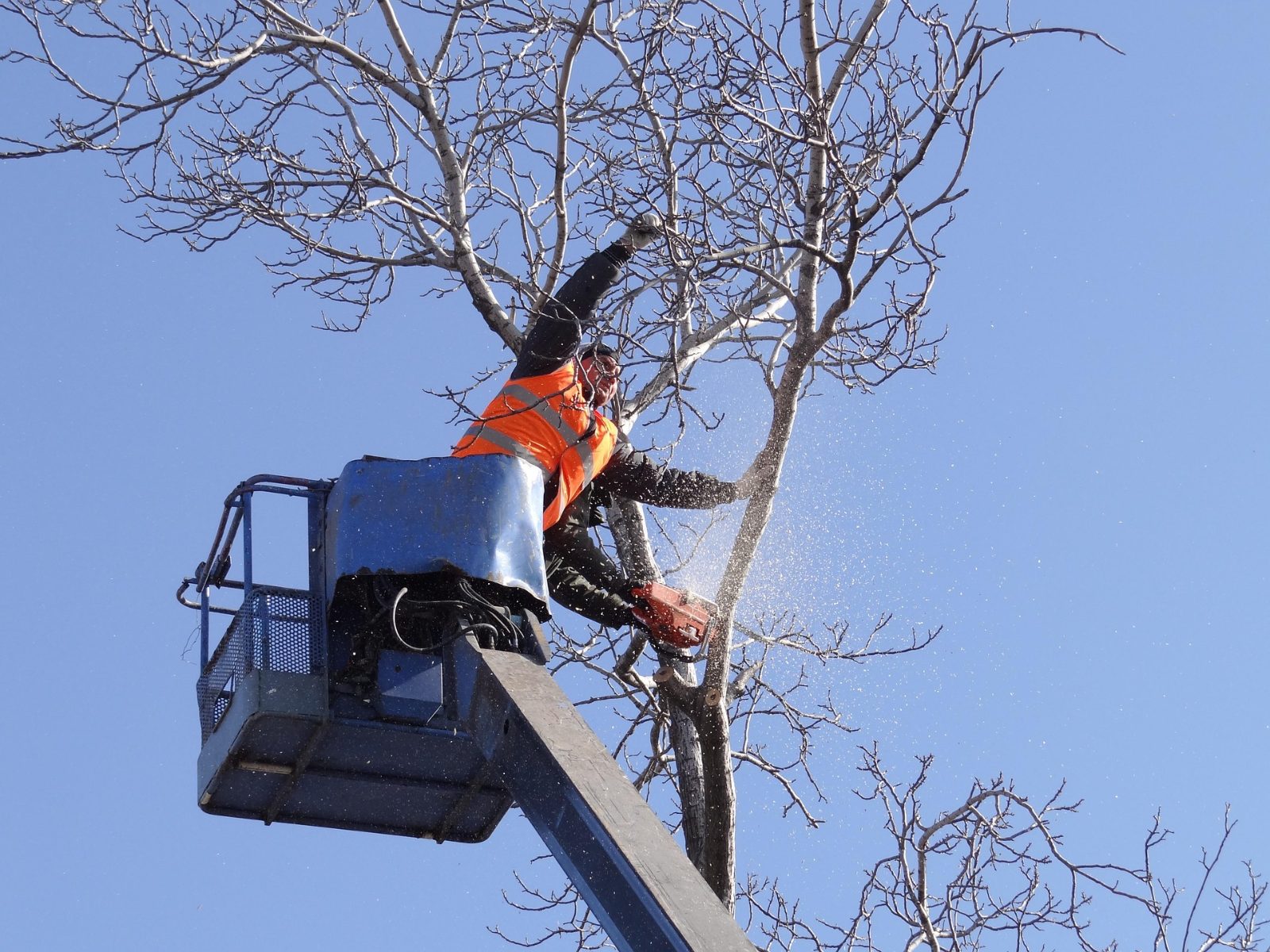
A useful tree evaluation starts with the specific change or concern that prompted you to call.
Sparse foliage, dead branch tips, smaller leaves, or sections that fail to leaf out can have several possible causes. We look at the overall pattern and surrounding site conditions before discussing practical options.
Broken branches are easy to see, but the remaining tree also deserves attention. We can look at what is still attached, how major unions appear, and whether corrective pruning or removal should be considered.
Included bark, heavy lateral limbs, old wounds, cavities, weak unions, and unusual lean can raise questions. A visual evaluation can help identify concerns and determine whether additional action is warranted.
Tree health begins with putting an appropriate tree in a suitable location. We can discuss space, mature size, light, drainage, and the goals you have for shade or appearance.
Properties with several mature trees benefit from deciding which trees need attention first rather than reacting to everything at once. We can help prioritize pruning, removal, fertilization, planting, or monitoring.
| Service | Estimated Cost | Average |
|---|---|---|
| Single-tree visual evaluation | $150-$300 | About $200 |
| Multi-tree property evaluation | $250-$600 | About $400 |
| Ongoing care planning | Varies by property | Site evaluation needed |
Pricing depends on the number of trees, property size, scope of the requested evaluation, and whether additional specialized assessment is recommended. These ranges are for general planning only.
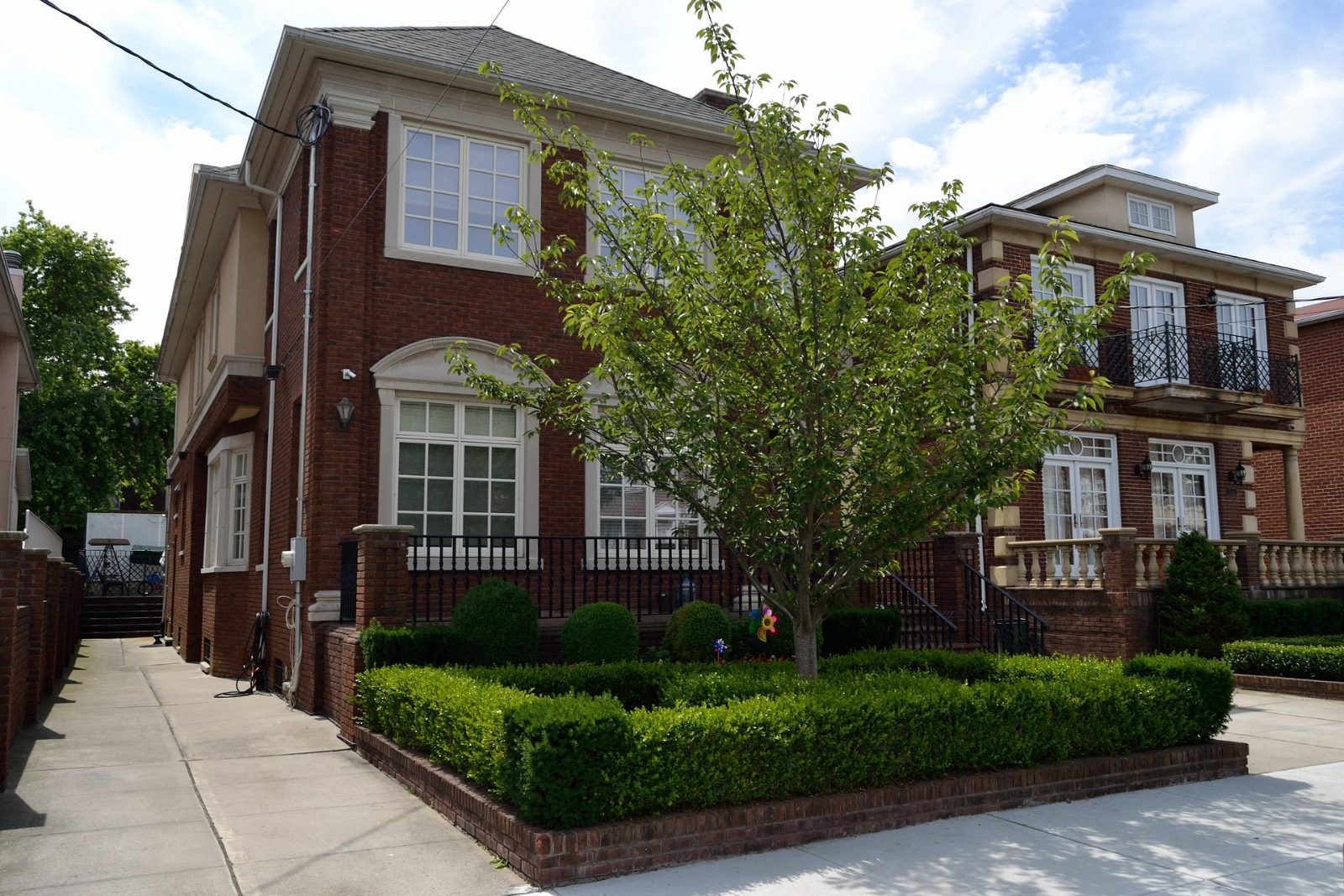
A tree cannot be evaluated in isolation from its growing space, nearby structures, soil conditions, and the owner's goals.
We explain what we can observe and what those observations may mean without turning the conversation into unnecessary jargon.
Because we also prune, plant, fertilize, and remove trees, an evaluation can lead to the service that best matches the situation rather than one predetermined answer.
Some questions require testing, engineering input, or another specialized professional. We would rather be clear about those limits than pretend a visual visit can answer everything.
If a tree looks different and you are not sure why, start by describing what you have noticed.
Free — no obligations
Tell us what changed, when you first noticed it, and whether storms, construction, irrigation changes, or other property work happened recently.
We consider the canopy, trunk, visible branch unions, root-zone conditions, growing space, and surrounding property features.
We explain the visible concerns, what appears normal, and where uncertainty remains.
The next step may be pruning, removal, fertilization, planting, monitoring, or another professional evaluation depending on the situation.